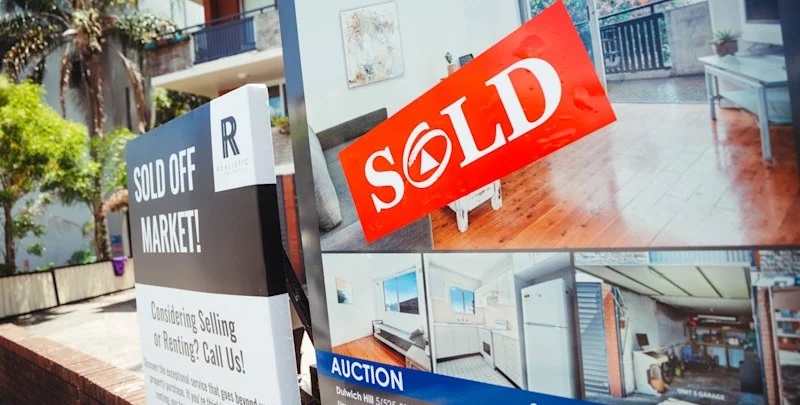
Australian housing affordability has reached a record low. This challenging situation persists despite recent declines in property prices. Interest rate increases by the Reserve Bank are significantly impacting prospective homebuyers.
Two key indicators confirmed this downturn in the June quarter. Buying property became particularly difficult in smaller capital cities. Meanwhile, Sydney remains the least affordable city, and Melbourne’s market shows little movement.
The Reserve Bank raised its cash rate from 3.6 per cent to 4.35 per cent during this period. Financial markets now predict a strong chance of another rate hike in September. These adjustments have increased financial pressure on aspiring homeowners.
A household earning the median income of $125,000 annually could afford only 12 per cent of available homes in the 2025-26 financial year. This marks a decrease from a slight improvement observed the previous year. Official interest rates had fallen then, offering some temporary relief.
Victoria currently stands as the most affordable state, with 16 per cent of homes within reach. However, this is down from 19 per cent in the 2024-25 period. South Australia, by contrast, has now become the least affordable state.
South Australia has seen a significant property price surge over the past two years. It has now surpassed New South Wales, which held the least affordable title since 2011. A median-income household there can afford just 7 per cent of listed properties.
Saving a 20 per cent deposit for a median-priced home now takes over six years for an average household. This duration has doubled since the turn of the century, when it required only three years.
Angus Moore, a senior economist, highlighted the Reserve Bank’s rate increases in February, March, and May. He noted these hikes intensified the pressure on individuals wanting to purchase a home. He suggested that while prices might soften further, this would likely not represent a major turning point for many buyers.
He emphasized the critical need for increased housing supply. Without it, Australian housing affordability will remain a significant challenge. This issue disproportionately affects lower-income households.
Property analytics firm Cotality reported five consecutive months of declining house values this week. Furthermore, the Commonwealth Bank expects Sydney property prices to fall by up to 13 per cent by April.
The Housing Industry Association’s affordability measure also declined in Sydney, Canberra, and Melbourne since March. These cities experienced price drops after the RBA began raising rates. However, affordability worsened in all other capital cities.
Brisbane and Perth are now almost as challenging to buy into as Sydney. Both cities had previously experienced price increases exceeding 20 per cent over the last two years. These markets are now beginning to cool down.
Tom Devitt, another HIA senior economist, stated that recent interest rate rises have caused mortgage costs to outpace income growth. This trend reduces the overall affordability of the housing market. He also observed that buyers, particularly investors, have withdrawn from the market.
This withdrawal has contributed to the recent price drops. Devitt predicts these declines will continue through 2026. However, he warned this does not signal a sustainable improvement in affordability. It fails to address the fundamental demand-supply imbalance that persists in Australian housing.
He explained that falling established home prices, without corresponding drops in the cost of land, labor, materials, and finance, make fewer new housing projects viable.
The decline in housing affordability may also be affecting the employment market. Figures from the Australian Bureau of Statistics revealed a record 1.05 million people now hold a second job. This represents an 11 per cent increase over the past 12 months.
More than one in 14 Australians now juggle at least two jobs. This is the highest rate recorded since the bureau began tracking this data in 1994.
The federal government has faced accusations from the Coalition regarding its housing policies. The opposition claims the government actively seeks to lower house prices, thus “destroying” Australian family wealth.
Housing Minister Clare O’Neil countered these accusations. She cited government budget changes to property taxation and efforts to build more public and social housing. These initiatives acknowledge that homes are currently beyond the reach of ordinary people.
O’Neil opened a new 285-home development in Melbourne’s south-east on Friday. This project includes social, affordable, and market rent properties, partly federally financed. She stressed that the affordability drop stemmed from historical price surges, not current government measures.
Australian house prices have climbed approximately 400 per cent since 2000. She warned that a repeat of this trend would make Australia a less equal country. Home ownership would become unattainable for too many young people. The Coalition, she concluded, defends a “broken status quo.”